
Arrest History in Louisiana
Louisiana arrest records have more than one creator. Parish sheriffs make arrests, serve warrants, and operate most booking systems. Municipal police create reports for events in their jurisdictions, even when the parish jail holds the person. Louisiana State Police has statewide highway and public-safety authority. Campus and special police act within defined jurisdictions. Federal agencies use separate federal record and custody systems.
The arresting agency owns the incident or initial arrest report. The booking facility creates the intake record. Fingerprints can create or match an arrest cycle in the Louisiana Computerized Criminal History system, known as LACCH. The prosecutor then decides what to file, and the court creates the case outcome. A single Louisiana arrest can thus appear in a parish roster, a court docket, and a fingerprint-based rap sheet, with different fields in each.
Who Creates Louisiana Arrest Records
The correct Louisiana request route follows the creator. Ask the Louisiana sheriff or jail for the booking summary. Ask a city police records unit for its initial report. Louisiana State Police records go through the applicable troop or public-record channel. A campus or special police agency keeps records within its statutory reach. Once charges are filed, the court clerk becomes the source for the charging instrument, minutes, judgment, and sentence.
| Agency type | Louisiana arrest role | Best source |
|---|---|---|
| Parish sheriff | Parishwide arrests, warrants, and most jail bookings | Sheriff records unit and roster |
| Municipal police | City arrest and incident records | Police records unit; city court if filed there |
| Louisiana State Police | Statewide public-safety and troop investigations | LSP public-record channel or relevant troop |
| Campus or special police | Defined property or statutory jurisdiction | Agency custodian and prosecuting court |
| Federal agency | Federal investigation and arrest | Federal agency, PACER, U.S. Marshals, or BOP |
Use the Louisiana source closest to the event. A Louisiana state repository summary cannot supply the local narrative, property sheet, or full booking jacket.
How Arrests Become Part of a Louisiana Record
After a Louisiana arrest, the booking facility records identity data, intake time, arresting agency, booked charges, bond, custody status, and fingerprints. Livescan compares the prints with the Louisiana AFIS fingerprint system. A match can add a new Louisiana arrest cycle to an existing LACCH subject; a new set can establish a master record. This fingerprint link is why a state record differs from a name-only roster search.
Louisiana data flow: Arrest › Booking › Fingerprint Submission › LSP BCII Repository Entry
The filed charge comes later. A prosecutor may refuse, amend, replace, or file the booked charge. The court then reports a disposition. Louisiana law generally calls for responsible entities to report final dispositions within 30 days, but the state file can still lag. In the federally hosted 2022 survey, Louisiana reported final dispositions for about 27 percent of all arrests and about 38 percent of felony charges. Those dated figures show why an open arrest cycle must be checked against the parish court.
Louisiana Article 228 Booking Access
Louisiana Code of Criminal Procedure art. 228 gives the public a clear Louisiana booking-information baseline. The jail book includes the person's name and address, property taken, and booking date and time. Its public summary includes the proper legal name, charges, arresting officer, a short factual account, and co-arrestees. A parish roster may add a photograph, age, physical description, intake number, bond, court, housing status, and release date, but those extra fields are not one mandatory statewide display.
Louisiana R.S. 44:3 draws another line. Follow-up Louisiana investigative records can remain exempt while a case is active or litigation is expected. The initial report, booking record, summons or citation, and filed bill of information have different access treatment, subject to protections. A narrow request for the “initial report and Article 228 booking summary” may work better than a broad request for the entire investigation. Ask for a redacted copy when protected victim, juvenile, medical, security, source, or undercover details must be removed.
How to Look Up Louisiana Arrests
A recent Louisiana arrest search starts where the event occurred. There is no unrestricted public LACCH name search. The state repository is available to authorized users under law, while an individual can obtain their own fingerprint-based Right to Review. Public searches therefore combine local booking, custody, court, and agency channels.
- Identify the likely parish and arresting agency. Search or call the parish sheriff's roster or inmate-information line.
- When city police made the arrest, check its records unit and the proper city or municipal court. The parish jail may still hold the person.
- Use Louisiana VINE for participating custody and alerts. If no result appears, consider release, transfer, spelling, state custody, or federal custody.
- Browse the directory of all 64 Louisiana counties to reach the correct parish's local criminal record routes.
- Search the parish clerk after filing, then read the disposition. For your compiled state history, use LSP BCII Right to Review.
A Louisiana booked charge is not the final court count. Confirm every Louisiana result through the court that handled the prosecution.
Louisiana VINE and Parish Rosters
A Louisiana parish sheriff's roster is usually the freshest source for a Louisiana booking number, booked charge, bond, housing, and release status. Coverage and retention vary by parish. A person can disappear from a roster because of release, transfer, a spelling mismatch, movement to another parish, state placement, or federal custody. Call the Louisiana booking desk when the web result is unclear.
Louisiana VINE covers participating custody and provides event notifications.

VINE is built for custody status and alerts, not for a full historical Louisiana arrest record. DPS&C says updates generally occur daily, but delays can happen.
Louisiana also lacks a conventional DPS&C name-search page. Its official channel is the imprisoned-person locator telephone service and Louisiana VINE. Parish jails can hold both pretrial detainees and some state-sentenced people under state-local arrangements, so the physical location alone does not prove case status.
What an Arrest Record Shows
A Louisiana booking record captures the intake event. It can show who was booked, which agency brought the person in, the charge stated at intake, and whether bond or release information has been entered. It does not prove that a prosecutor filed the same charge or that a court found guilt. Read identifiers carefully because common names and spelling variants can cause false matches.
| Louisiana Arrestee Name & Identifiers | Legal name, aliases, Louisiana booking number, intake number, physical description, and limited date-of-birth data where public. |
|---|---|
| Louisiana Arrest Date & Location | Arrest and booking dates, intake time, Louisiana event location, and booking facility as released. |
| Louisiana Arresting Agency | Louisiana sheriff, police department, LSP troop, campus or special agency, or federal contributor. |
| Louisiana Charges at Booking | Initial descriptions, Louisiana statute references, warrant or case references, and charge counts. |
| Louisiana Booking Number & Photo | Local tracking number and booking photograph when the Louisiana custodian lawfully publishes it. |
| Louisiana Bond / Release Status | Bond type or amount, Louisiana housing or custody status, release, or transfer information. |
The Louisiana arrest report may add a short account of the event, involved property or vehicles, and investigator names. Protected Louisiana sources, methods, undercover identities, juvenile details, and victim information may be withheld or redacted.
Louisiana Arrest Statistics in Context
The official 2024 Crime in Louisiana report was released in 2026.
Its limits are essential. The report identified 297 LIBRS-certified agencies, but only 151 agencies reported all 12 months and were included. They covered 3,836,939 people, and every parish had at least one represented agency. The totals are not a complete census of every Louisiana arrest.
The published Louisiana arrest categories sum to 88,458. Louisiana drug and narcotic arrests numbered 17,320; simple assault 15,276; larceny or theft 13,085; and aggravated assault 6,193. The Louisiana definition includes qualifying custody events, citations or summonses, and some juveniles counseled and released. Most ordinary traffic arrests are excluded except DWI. Offense counts and arrest counts are also different measures.
The official Louisiana report tables provide the needed statewide Louisiana context.
Use these Louisiana values to understand reported scale, not to infer that a missing Louisiana agency or month had no arrests.
The FBI Crime Data Explorer provides the federal UCR view of Louisiana data.
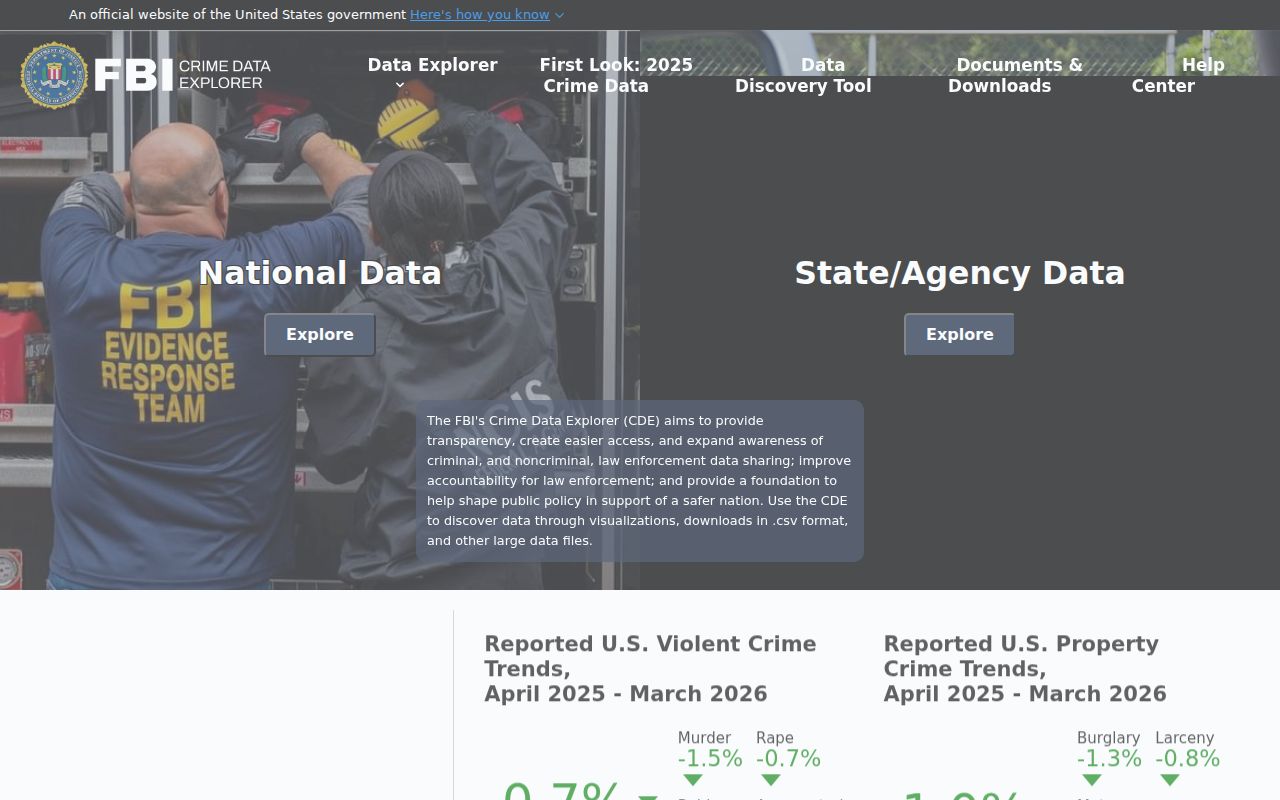
Louisiana agency comparisons should use only periods in which the chosen Louisiana agency actually submitted the data.
Louisiana Booking Photos After Act 281
Act 281 of 2024 repealed Louisiana's prior booking-photograph release and publisher restrictions effective August 1, 2024. The Louisiana repeal does not order every sheriff to publish a photo gallery. It also does not erase other privacy, confidentiality, retention, or investigative limits. Availability remains a question for the official Louisiana custodian.
No single Louisiana statute was found that makes every Louisiana booking photo universally downloadable. A Louisiana roster can publish a photograph, omit it, or remove the entry under its own lawful process. Never rely on commercial mugshot sites. They may preserve stale charges, miss the outcome, or detach the image from the official source.
Louisiana juvenile records require separate care. A Louisiana juvenile may appear in aggregate arrest methods without creating an adult public rap sheet. Act 364 of 2025 reinforced limits on outside dissemination of juvenile criminal-conduct information and required Louisiana access auditing where the law permits access.
Louisiana State and Federal Custody
Three custody paths can follow a Louisiana arrest. A parish roster covers current or recent local detention. The DPS&C locator and Louisiana VINE cover state custody or participating Louisiana custody events. The Federal Bureau of Prisons locator covers federal custody.
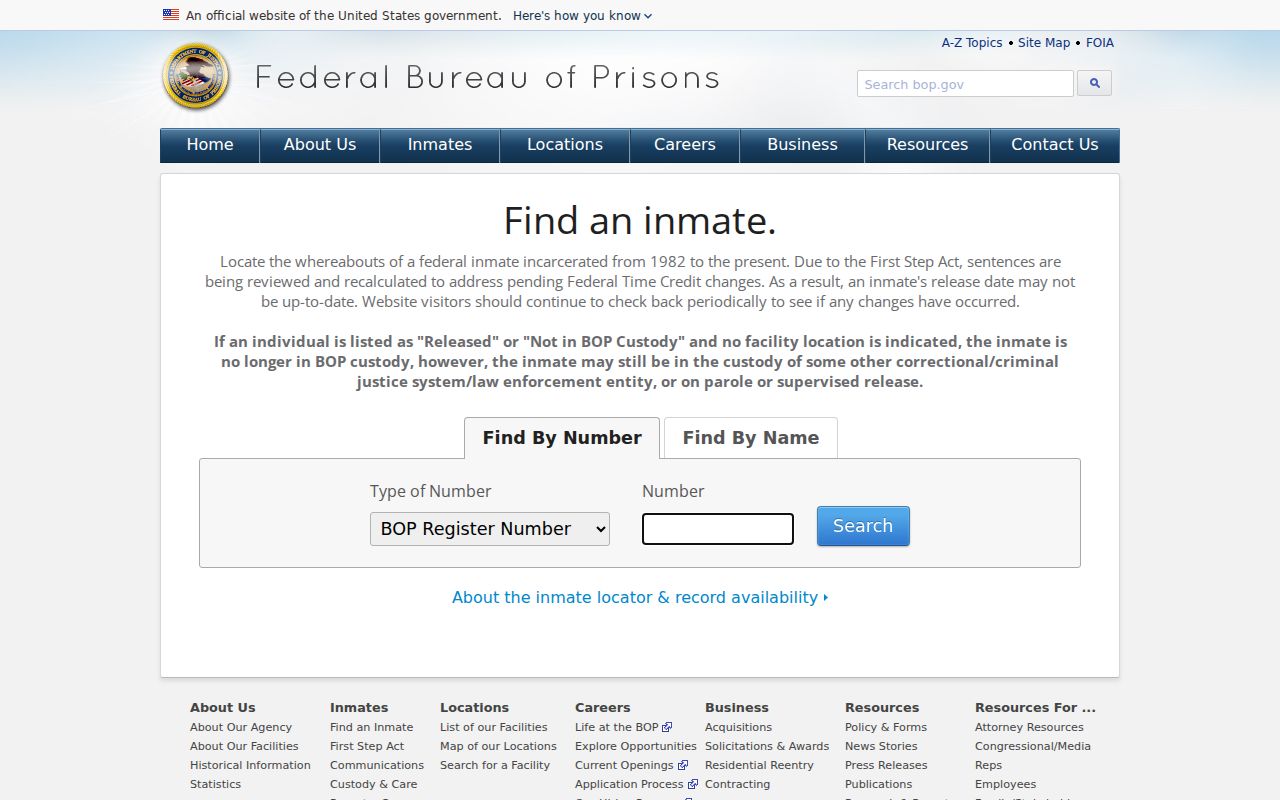
The federal locator does not contain parish bookings or Louisiana state custody, but it resolves one common reason a person cannot be found locally.
Louisiana DPS&C operates eight state correctional facilities and also places Louisiana state-sentenced people in local facilities and transitional programs. That Louisiana two-layer arrangement means “in a parish jail” does not always mean pretrial. Read the Louisiana court judgment and commitment source to determine the legal status.
Arrests vs Convictions
A Louisiana arrest is an enforcement event and an accusation. A Louisiana conviction is a court judgment after an accepted guilty or no-contest plea, or a guilty verdict. Prosecutors can refuse, amend, dismiss, or replace a booking charge. Grand juries can return a no-bill. Courts can acquit. Those later steps make the disposition the key to reading Louisiana arrest history fairly.
| Arrest Record | Conviction Record | |
|---|---|---|
| Created by | Arresting agency and booking facility | Court judgment, later reported to BCII |
| What it proves | An arrest, citation, or custodial intake occurred | Guilt was established by plea or verdict |
| Public access | Official local sources, subject to R.S. 44:3 and protected fields | Parish court file, subject to sealing, expungement, and confidentiality |
| Relief path | Qualifying arrest outcomes may support expungement | Eligibility is narrower and depends on the offense and statutory conditions |
Note: An arrest entry without a disposition is not proof of guilt; check the Louisiana court case for the final outcome.
Louisiana expungement removes qualifying records from public access rather than destroying every agency copy. Filing occurs in the Louisiana court tied to the arrest or prosecution. After an order, verify both the parish clerk's public result and a later BCII Right to Review. If the state record merely lacks an outcome, obtain an original certified disposition that accounts for each original and amended charge.